
The first time I watched That Dude Can Cook pulse rosemary, sage, garlic, and lemon zest into a vivid green salt, I understood why this recipe has been copied and remade across TikTok for years. Sonny Hurrell’s rosemary salt isn’t a fussy chef’s trick. It’s five ingredients and a food processor, and the payoff is a finishing salt fragrant enough to change whatever you sprinkle it on.
This is my version of the That Dude Can Cook rosemary salt recipe, built from his original full-batch ratios: coarse salt, fresh rosemary and sage, garlic, and citrusy lemon zest. Keep a jar in your fridge and you’ll reach for it on everything from steak to popcorn.
A quick note: this is a copycat based on Sonny Hurrell’s publicly shared recipe, not an official product from That Dude Can Cook.
What Is Rosemary Salt and Why Do Fans Love It?
Rosemary salt is a compound finishing salt: coarse salt blended with fresh herbs, garlic, and citrus zest until it turns a bright, vivid green. Unlike a pre-made seasoning blend, this version is processed fresh, so the oils in the rosemary and sage are still active, and the flavor lands sharper and more fragrant than anything dried.
It sits in the same family as herbes de Provence salt, gremolata, and compound butter, but it’s simpler to make and more versatile to use. Where a compound butter melts into a dish, rosemary salt stays textural. You can feel the coarse crystals and flecks of herb on a seared steak or roasted potatoes.
Fans love the That Dude Can Cook rosemary salt because five pantry staples create something that tastes custom-made. It’s bright, garlicky, herbaceous, and has a citrus pop that makes ordinary roasted vegetables or scrambled eggs taste intentional.
The Story Behind That Dude Can Cook’s Rosemary Salt Recipe
That Dude Can Cook is the online persona of Sonny Hurrell, a chef who built a following on TikTok, YouTube, and Instagram by mixing real cooking instruction with humor, often starring his googly-eyed pepper grinder sidekick, Sergeant Gilbert. He’s based in Austin and has spent years teaching home cooks techniques that usually stay inside restaurant kitchens.

The rosemary salt recipe became one of his most-copied uploads, reshared across TikTok with slightly different ratios of herbs, salt, and lemon. Hurrell himself revisited the recipe in a follow-up video and adjusted the proportions from his original post, which is part of why a few versions circulate online.
Unlike older, shelf-stable herb salts built on dried ingredients and preservatives, this one stays fresh-processed and vividly green, which is exactly what made it stand out.
Key Ingredients That Give This Rosemary Salt Its Signature Flavor
Coarse Kosher Salt: Coarse sea salt or Maldon also work. Coarse crystals matter because fine table salt packs too densely around the herbs and can taste harsher once blended.
Fresh Rosemary: The backbone of the blend, piney and slightly sweet. Fresh, not dried, is essential for both the color and the strength of the aromatic oils.
Fresh Sage: Adds an earthy, slightly peppery note that rounds out the rosemary so it doesn’t taste one-dimensional.
Garlic: Fresh cloves bring sharpness and depth. Using fewer large cloves or more small ones keeps the ratio balanced.
Lemon Zest: The ingredient that brightens everything. It cuts through the salt and herb density with citrus oil, without adding liquid that would make the salt clump.
Together, these five ingredients create a salt that’s savory, herbaceous, garlicky, and bright all at once, which is why it works across so many different dishes.
That Dude Can Cook Rosemary Salt Recipe: Ingredient List
| Ingredient | Quantity | Notes & Substitutions |
|---|---|---|
| Coarse kosher salt | 1 cup | Coarse sea salt or Maldon salt also work. Avoid standard fine table salt, since it clumps differently and can taste sharper |
| Fresh rosemary | 14 sprigs, leaves stripped | Dried rosemary works in a pinch. Use about half the amount, since it’s more concentrated |
| Fresh sage | 8 sprigs, leaves stripped | Fresh thyme is a good substitute for a different herbal note |
| Garlic cloves | 3–5, peeled | Use 3 if large, 5 if small |
| Lemon zest | Zest of 1 to 2 lemons | Use a microplane for the finest zest and avoid the bitter white pith |
Tools You Need to Make Rosemary Salt at Home
- Food processor or high-powered blender
- Microplane or zester
- Measuring cups
- Airtight jar or container
- Parchment-lined baking sheet (if oven-drying)
- Rubber spatula for scraping down the sides
Prep Time: 10 minutes
Process Time: About 2 minutes
Optional Drying Time: 30 minutes (oven method)
Total Time: 10–40 minutes, depending on method
Yield: About 1.5 to 2 cups of rosemary salt
Steps to Make This That Dude Can Cook Rosemary Salt Recipe
Step 1: Combine Ingredients
Add the coarse kosher salt, stripped rosemary leaves, stripped sage leaves, peeled garlic cloves, and fresh lemon zest directly into a food processor or blender.

Step 2: Pulse to Break Things Down
Pulse a few times first so the herbs and garlic start breaking down evenly instead of the blade just spinning around whole pieces.
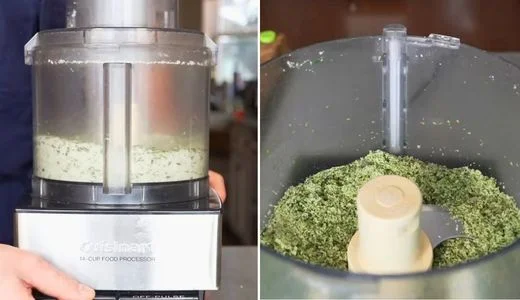
Step 3: Process Until Bright Green
Run the processor for about 30 seconds, stop, and scrape down the sides. Continue blending for another minute until the mixture is finely ground and a vibrant, bright green.

Step 4: Choose Your Storage Method
For the refrigerator method, transfer the mixture directly into an airtight container or jar and refrigerate. For a dry, shelf-stable salt, spread the mixture onto a parchment-lined baking sheet and dry in a low oven at around 220°F for about 30 minutes.
Step 5: Cool and Finish (Oven Method Only)
Let the oven-dried salt cool completely, pulse once more to break up any clumps, then store in airtight jars.
Pro Tips for Getting This Rosemary Salt Just Right
1. Don’t use fine table salt
It packs too tightly around the herbs, draws out more moisture, and can make the finished salt taste sharper and less balanced. Stick with coarse kosher, sea, or Maldon salt.
2. Don’t skip stripping the leaves
Woody rosemary and sage stems don’t break down fully in the processor and leave stringy bits throughout the salt. Strip the leaves off the stems before anything goes into the blender.
3. Scrape down the sides
The first 30 seconds of processing pushes everything to the edges of the bowl. Stopping to scrape halfway through is what gets you an evenly ground, bright green salt instead of a patchy mix with whole garlic chunks at the bottom.
4. Watch the moisture if you’re drying it
If you choose the oven method, spread the salt in a thin, even layer so it dries fully. Pockets of trapped moisture can lead to clumping or, in rare cases, mold during storage.
5. Refrigerate for the brightest color
The fridge method keeps the salt’s vivid green color and the herbs’ fresh punch longer than the dry method, since nothing gets cooked off in the oven.

6. Taste as you go
Garlic and salt strength vary batch to batch, so taste a pinch before committing to a full jar and adjust the next one.
Easy Variations to Customize This Rosemary Salt Recipe
Spicy Rosemary Salt: Add a small dried chili or a pinch of red pepper flakes to the processor for a kick.
Citrus Swap: Use orange or lime zest instead of lemon for a different citrus note.
Herb Swap: Replace the sage with fresh thyme or oregano for a different herbal profile.
Smoky Version: Stir in a half teaspoon of smoked paprika after processing.
Garlic-Forward Batch: Increase the garlic to 6 or 7 cloves for a punchier, more savory salt.
Half-Batch: Cut every ingredient in half for a smaller jar to test, or to split into gifts.
Best Ways to Use Rosemary Salt in Your Meals
This rosemary salt is built to be a finishing touch, so use it anywhere a pinch of flavor and texture would make a difference.
On Meat: Sprinkle it over a freshly seared steak right as it comes off the pan, or rub it into chicken before roasting. Try it with our LongHorn Lemon Garlic Chicken for a delicious combination of savory herbs, garlic, and bright lemon flavor.
On Potatoes: Toss it with roasted or mashed potatoes. The garlic and herbs cling to the starchy surface and turn a basic side into something that tastes restaurant-made.
On Popcorn: A few pinches over warm, buttered popcorn turns movie-night snacking into something unexpectedly elevated.
On Bread: Press it into focaccia dough before baking, or sprinkle it over warm bread with olive oil for dipping.
On Eggs: Finish scrambled eggs, a fried egg, or avocado toast with a pinch right before serving for a bright, herby lift.
On Vegetables: Roasted broccoli, zucchini, carrots, or green beans all take well to a sprinkle of this salt right out of the oven.
As a Gift: Because it keeps well and looks striking in a small jar, this salt makes an easy homemade gift for holidays or hostess gifts. Add a ribbon and a label with a few serving suggestions.

Since it’s a finishing salt, add it at the end of cooking rather than during, so the texture and bright color stay intact. A light hand goes a long way, since the flavor is concentrated.
How to Store and Keep Rosemary Salt Fresh
Refrigerator Method (Recommended): Store the salt in an airtight container or jar in the refrigerator. Because it contains fresh garlic and herbs, refrigeration keeps the color vivid green and the flavor sharp. It stays fresh for 1 to 2 months this way.
Oven-Dried Method: If you dry the salt in a low oven first, it becomes shelf-stable and can be stored in an airtight jar at room temperature for several months, though the color will be slightly less vibrant than the fridge version.
Using It: This isn’t a dish you reheat. Just give the jar a quick shake or stir before each use, since the herbs and zest can settle over time.
Nutrition Facts and Dietary Notes for Rosemary Salt
Estimate per ¼ teaspoon serving:
| Calories | <5 kcal |
| Sodium | ~580mg |
| Carbohydrates | <1g |
| Fat | 0g |
| Protein | 0g |
Vegan: Yes, naturally, since every ingredient is plant-based.
Gluten-Free: Yes.
Keto / Low-Carb: Yes, with virtually no carbs per serving.
Paleo-Friendly: Yes.
Health Notes: This is a sodium-forward seasoning, so use it the way you would any finishing salt, in small pinches rather than large spoonfuls. Because it’s made from fresh herbs and garlic rather than a dried blend with anti-caking agents, it’s a cleaner alternative to many store-bought finishing salts.
Nutritional values are estimates and will vary by serving size and how finely the salt is ground.
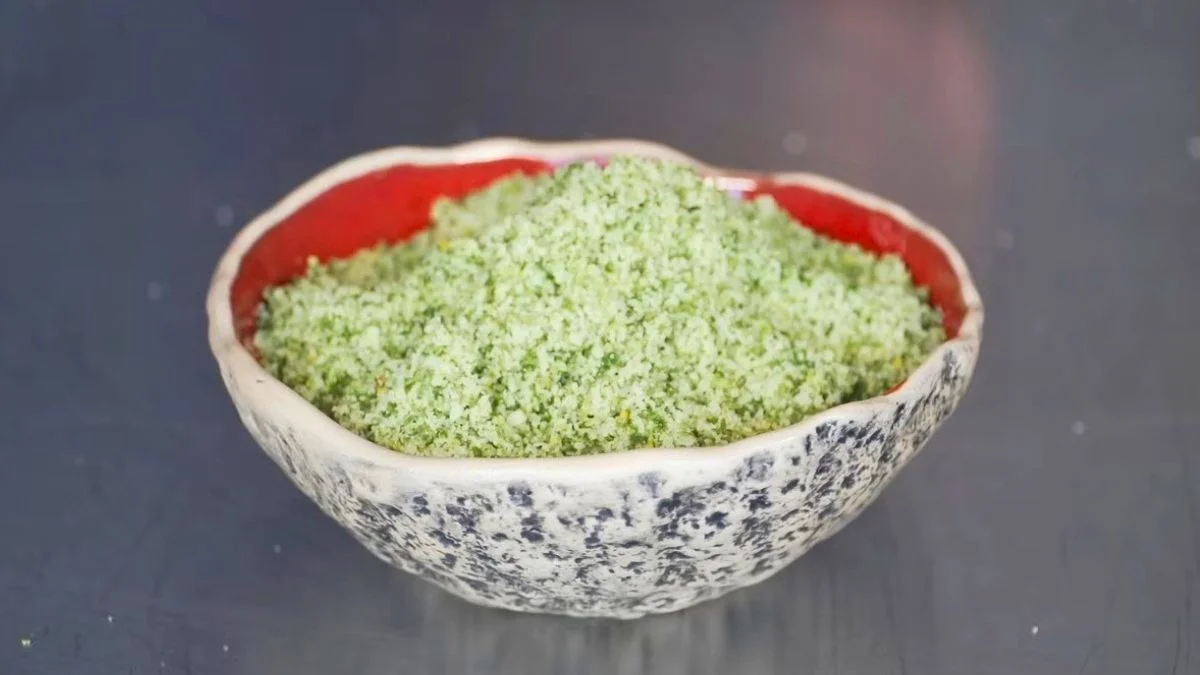
That Dude Can Cook Rosemary Salt Recipe
Ingredients
Method
- Add the coarse kosher salt, stripped rosemary leaves, stripped sage leaves, peeled garlic cloves, and fresh lemon zest directly into a food processor or blender.
- Pulse a few times first so the herbs and garlic start breaking down evenly instead of the blade just spinning around whole pieces.
- Run the processor for about 30 seconds, stop, and scrape down the sides. Continue blending for another minute until the mixture is finely ground and a vibrant, bright green.
- For the refrigerator method, transfer the mixture directly into an airtight container or jar and refrigerate. For a dry, shelf-stable salt, spread the mixture onto a parchment-lined baking sheet and dry in a low oven at around 220°F for about 30 minutes.
- Let the oven-dried salt cool completely, pulse once more to break up any clumps, then store in airtight jars.
Notes
This That Dude Can Cook rosemary salt recipe turns five simple ingredients into a finishing salt you’ll reach for constantly. It’s bright, garlicky, herbaceous, and ready in minutes, whether you keep it fresh in the fridge or dry it for a shelf-stable jar. Once you have a batch on hand, it’s hard to go back to plain salt on steak, potatoes, or popcorn.
Have you tried it yet? Let me know in the comments which dish you used it on first, or if you tried one of the variations. For more easy homemade seasonings and copycat recipes, check out the rest of the blog.
This is an unofficial copycat recipe based on Sonny Hurrell’s (That Dude Can Cook) publicly shared recipe and is not affiliated with or endorsed by That Dude Can Cook.
We’d love to hear what you think of this recipe! Give it a try and let us know how it turned out by leaving a comment below. Don’t forget to follow us on Pinterest, Facebook and YouTube for more delicious recipes, cooking inspiration, and kitchen tips. Your feedback and support help us continue creating content you’ll love!