
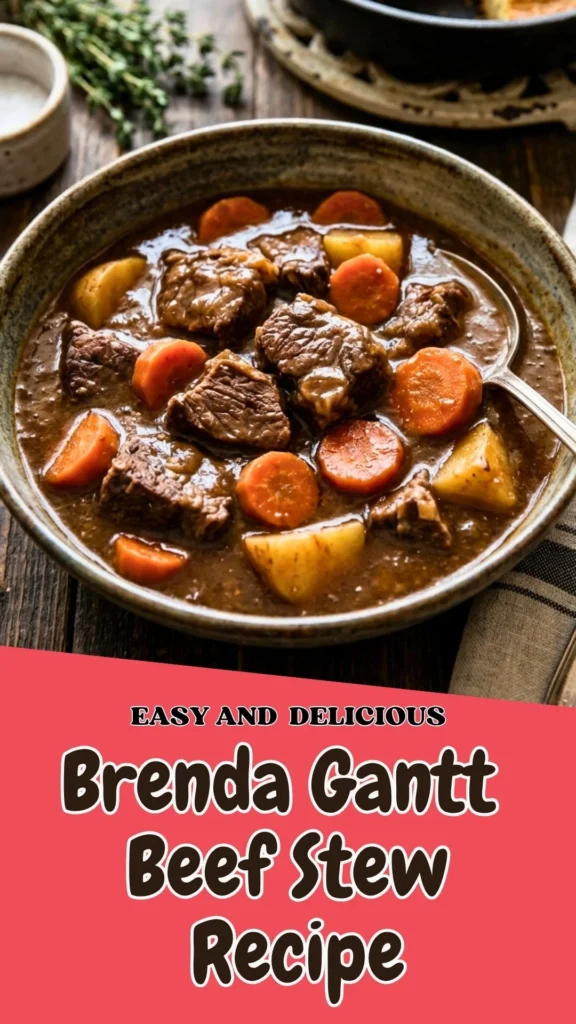
The first time I made this Brenda Gantt beef stew recipe, my kitchen smelled exactly like my grandmother’s house on a cold Sunday afternoon.There’s something about a pot of sirloin tip roast simmering low and slow with tomatoes, carrots, and potatoes that feels like a hug from someone who’s been cooking for sixty years.
The broth turns deep, rich, and almost sweet from the natural fat left on the beef, while the vegetables soften into every spoonful.
Pair it with a slice of buttermilk cornbread fresh from a cast-iron skillet, and you’ve got a meal that tastes like home. Quick note: start this one early in the morning -it’s worth every minute.
What Is Brenda Gantt Beef Stew and Why Do Fans Love It?
Brenda Gantt beef stew is a classic Southern-style beef and vegetable stew built on a foundation of sirloin tip roast, petite diced tomatoes, carrots, onions, and Russet potatoes, all simmered together in their own savory broth.
Unlike heavily spiced or wine-based stews, this version relies on simplicity: water, salt, pepper, and time do most of the work. Fans love it because it tastes homemade in the truest sense -no shortcuts, no fancy ingredients, just patient simmering that lets the beef fat and tomato juices create a naturally rich broth.
Compared to beef bourguignon or Irish stew, Brenda Gantt’s version is lighter on seasoning but heavier on comfort, leaning into that “Sunday dinner at grandma’s” feeling that makes it instantly nostalgic and endlessly craveable.
The Nostalgic History Behind This Beef Stew Recipe
This style of beef stew reflects an older era of Southern home cooking, when families stretched a single roast into a full pot of stew to feed everyone at the table. Long before pressure cookers and instant broths became kitchen staples, cooks relied on slow simmering over hours to coax flavor from tougher, more affordable cuts like sirloin tip roast.
Leaving the fat on wasn’t a mistake -it was the secret to a flavorful broth without needing store-bought stock. As packaged seasoning blends and canned soups became popular shortcuts in modern stews, recipes like this one quietly faded from everyday rotation.
Brenda Gantt’s version revives that earlier, simpler approach, distinguishing itself from newer “dump and stir” stews by honoring the slow, hands-on process that built flavor from scratch.
Key Ingredients That Give This Beef Stew Recipe Its Signature Flavor
The magic of this Brenda Gantt beef stew recipe comes down to a handful of humble ingredients working together. The sirloin tip roast, left with its natural fat intact, is the backbone -as it simmers, that fat melts into the water and transforms plain water into a rich, beefy broth without any bouillon or stock needed.
Petite diced tomatoes add brightness, acidity, and body, thickening the broth slightly while balancing the richness of the beef fat. Carrots bring natural sweetness and color, while a large sweet onion melts into the broth, adding depth and a subtle savory-sweet undertone.
Russet potatoes soak up the broth’s flavor and provide that classic hearty, starchy texture stews are known for.
Finally, the buttermilk cornbread isn’t just a side -its tangy, slightly sweet crumb and crisp, golden crust made in a well-seasoned cast-iron skillet are the perfect contrast to the soft, savory stew, completing the meal in true Southern style.
Brenda Gantt Beef Stew Recipe Ingredients
For the Beef Stew
- 1 whole sirloin tip roast (2.5 to 3 lbs) – Keep all the natural fat on; it’s the key to a rich, flavorful broth. Chuck roast can be substituted if sirloin tip isn’t available, though sirloin tip holds its shape slightly better.
- 2 large cans (28 oz each) petite diced tomatoes – Use the juices too, as they help build the broth. Regular diced tomatoes work in a pinch, though petite diced blend in more smoothly.
- 7 large whole carrots – Peeled and sliced into even circles so they cook at the same rate.
- 1 very large sweet onion – Diced into clean, even squares for consistent texture.
- 7 medium Russet potatoes – Peeled and cubed. Red or gold potatoes work great too and hold their shape slightly better if you prefer firmer chunks.
- Water – Enough to fully cover the meat at the start; this becomes your broth.
- Salt and black pepper – To taste, added in stages throughout cooking.
For the Homestyle Buttermilk Cornbread
- About 1.5 cups White Lily self-rising cornmeal mix – Self-rising is important here, as it provides the lift without needing separate baking powder or soda.
- Buttermilk – Enough to bring the batter to a pourable, pancake-batter consistency. Regular milk with a splash of vinegar or lemon juice can substitute if needed.
- 1 large egg – Acts as the binder holding the cornbread together.
- Solid shortening or bacon grease – Used generously to coat the skillet for that signature crispy, golden crust.
Tools You Need to Make This Recipe at Home
- Large pot or stockpot
- Cutting board and sharp knife
- Vegetable peeler
- Wooden spoon
- Cast-iron skillet (dedicated to cornbread)
- Mixing bowl
Preparation Time: About 30 minutes (cutting beef and prepping vegetables)
Cooking Time: Approximately 2 to 2.5 hours (including simmering time and cornbread baking)
Total Time: Around 3 hours
Steps to Make This Brenda Gantt Beef Stew Recipe
1.Prep and simmer the beef.
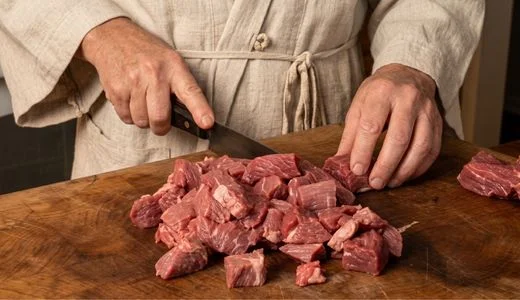
Early in the morning, cut the sirloin tip roast into long strips, then cross-cut into bite-sized stew cubes, leaving all the fat on. Place the meat in a pot, cover completely with water, season with a baseline of salt and pepper, and bring to a simmer. Cover and cook on medium-low for about 1 hour, until the meat is starting to tenderize and the broth turns deep and rich.
2. Add the tomatoes and carrots
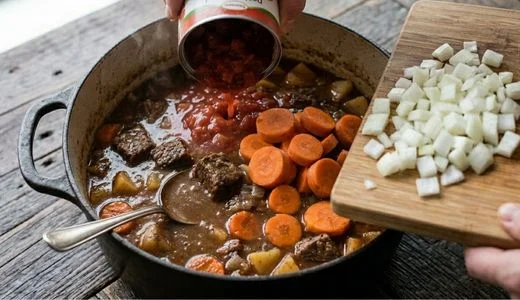
If your pot is getting crowded, transfer everything to a larger stockpot now. Stir in both cans of petite diced tomatoes along with their juices. Peel the carrots, slice them into even circles, and add them to the pot so they cook uniformly.
3. Stir in the onions
Dice the sweet onion into clean squares and add it to the pot. Turn the heat back up slightly, since the cool vegetables will have dropped the temperature, and bring the stew back to a steady simmer.
4. Add the potatoes once the carrots soften
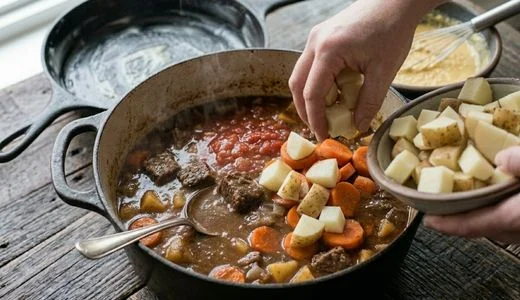
Peel and cube the Russet potatoes while the stew simmers, but hold off on adding them until the carrots have softened slightly -adding them too early can cause them to overcook and break apart. Once added, continue simmering until all the vegetables are fork-tender. Taste the broth and adjust the salt and pepper as needed.
5. Bake the buttermilk cornbread
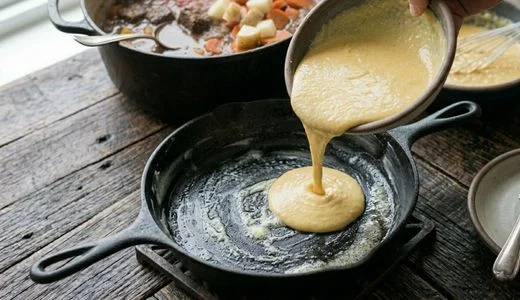
While the stew finishes, preheat your oven to 400°F. Heavily grease a dedicated cast-iron skillet with shortening or bacon grease. In a bowl, mix the cornmeal, egg, and enough buttermilk to create a smooth, pourable batter. Pour into the hot, greased skillet and bake until golden-brown on top and springy to the touch. Turn it out immediately onto a plate, using a knife underneath to release it cleanly so it doesn’t sweat.
Pro Tips for Getting the Flavor Just Right
Getting this Brenda Gantt beef stew recipe right comes down to a few small but important details. First, never trim the fat off the sirloin tip roast -that fat is what turns plain water into a rich, savory broth as it renders during the long simmer. Skipping this step results in a thin, flavorless base no amount of seasoning can fully fix.
Second, respect the order of operations. Adding potatoes too early is one of the most common mistakes; they’ll disintegrate into the broth and turn it starchy and cloudy instead of clear and rich. Wait until the carrots have softened before adding them.
Third, season in stages. A baseline of salt and pepper goes in at the start, but the final taste-and-adjust step after the vegetables are tender is what brings everything into balance -broth concentrates and changes as it reduces, so early seasoning alone isn’t enough.
Finally, treat your cornbread skillet with care. Keep a dedicated cast-iron skillet just for cornbread -frying other foods in it can leave residue that causes the cornbread to stick when you flip it out. A well-seasoned, dedicated skillet is what gives you that clean release and crisp, golden crust every time.
Easy Variations to Customize This Beef Stew Recipe
While this Brenda Gantt beef stew recipe is delicious as written, it’s easy to make it your own. Swap the sirloin tip roast for chuck roast or stew meat if that’s what you have on hand -both become tender with the same long, slow simmer.
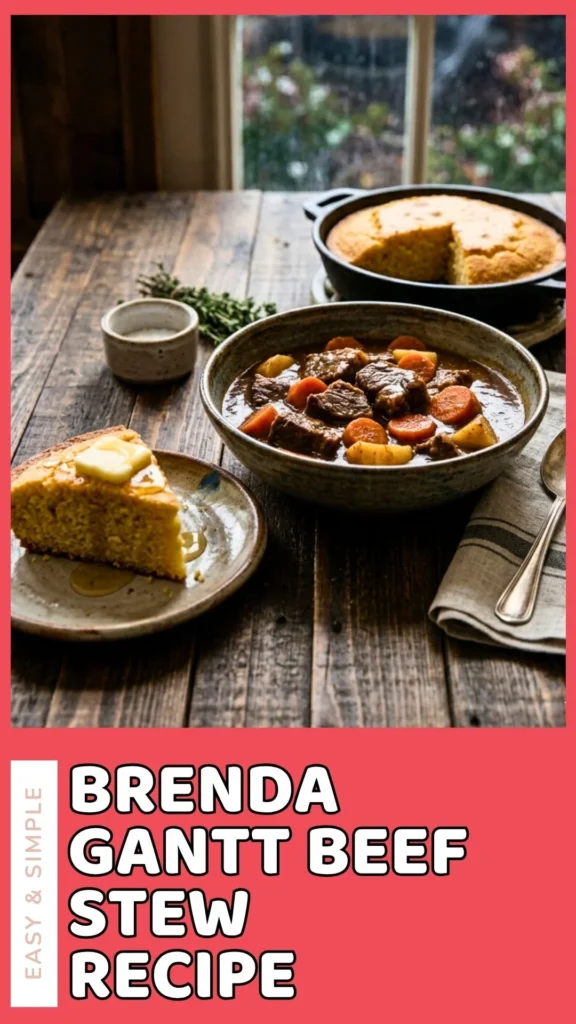
For extra depth, add a couple of stalks of diced celery alongside the onions, or stir in a bay leaf while the meat simmers in the first hour. If you like a bit of heat, a pinch of cayenne or a few dashes of hot sauce stirred in near the end brightens things up nicely.
For the cornbread, mix in a handful of shredded cheddar or some sautéed jalapeños for a savory twist. You can also swap Russet potatoes for red or gold potatoes for a slightly firmer bite and a more colorful presentation in the bowl.
Best Ways to Serve Brenda Gantt Beef Stew in Your Meals
This Brenda Gantt beef stew recipe is hearty enough to be a complete meal on its own, but the way you serve it can turn a simple weeknight dinner into something special.
The classic pairing is, of course, a warm slice of buttermilk cornbread straight from the cast-iron skillet -crumble it directly into your bowl to soak up the broth, or serve it on the side with a pat of butter melting on top. The slightly sweet, tangy cornbread balances beautifully against the savory richness of the stew.
For a true Southern-style spread, serve the stew alongside collard greens, turnip greens, or steamed green beans for a fresh, slightly bitter contrast that cuts through the richness. A simple side salad with a vinegar-based dressing also works well to lighten the meal.
If you’re feeding a crowd, ladle the stew over a scoop of white rice or buttered egg noodles to stretch the broth further and add another comforting texture. Leftover stew doesn’t have to stay in its lane, either -Brenda’s own kitchen wisdom suggests combining leftover stew with leftover Southern peas or cranberry beans from the day before.
The result is an entirely new dish: a thick, hearty bean-and-beef stew that tastes like it was planned all along, perfect for using up odds and ends without anything going to waste.
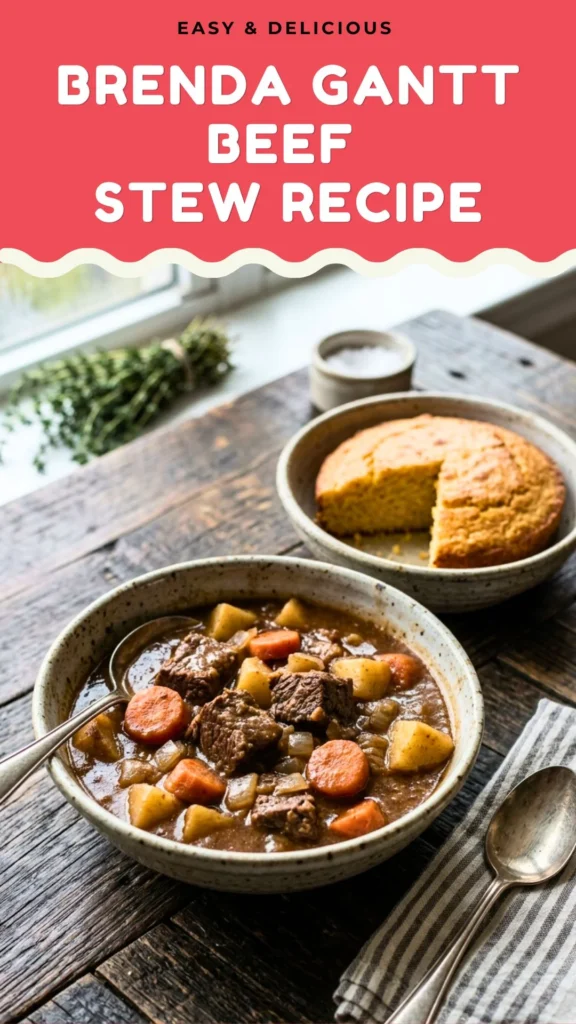
For gatherings, set out bowls alongside a basket of cornbread squares and let everyone build their own bowl, adding hot sauce, extra pepper, or a sprinkle of chopped green onion to suit their taste. However you serve it, this stew shines as the centerpiece of a relaxed, family-style meal.
How to Store, Keep Fresh, and Reheat This Beef Stew
Let the stew cool to room temperature before storing to keep it fresh longer. Transfer it to an airtight container and refrigerate for up to 4 days -the flavor often improves overnight as the broth continues to soak into the vegetables and meat.
For longer storage, freeze portions in freezer-safe containers or bags for up to 3 months; thaw overnight in the refrigerator before reheating.
To reheat, warm the stew gently on the stovetop over medium-low heat, stirring occasionally, until heated through -this helps prevent the potatoes from breaking apart further. A splash of water or broth can help loosen the consistency if it’s thickened in the fridge.
The cornbread is best reheated briefly in a warm oven or skillet to restore some of its crisp edges, rather than the microwave, which can make it soft and chewy.
Nutrition Facts and Dietary Notes for This Beef Stew Recipe
A typical serving of this Brenda Gantt beef stew recipe (without cornbread) provides roughly 350–420 calories, depending on the cut of beef and portion size, with a good amount of protein from the sirloin tip roast and fiber from the carrots and potatoes.
It’s naturally gluten-free as written, since the stew itself contains no flour or thickeners -just be sure to check that any added broth or seasoning blends are certified gluten-free if needed.
For a lower-carb or keto-friendly version, reduce or omit the potatoes and add extra low-carb vegetables like turnips or cauliflower instead. The buttermilk cornbread can be made gluten-free using a gluten-free self-rising cornmeal blend.
While not naturally vegan due to the beef and buttermilk, the stew’s vegetable components -tomatoes, carrots, onions, and potatoes -offer fiber, vitamin A, and potassium, making this a genuinely nourishing, well-rounded comfort meal.
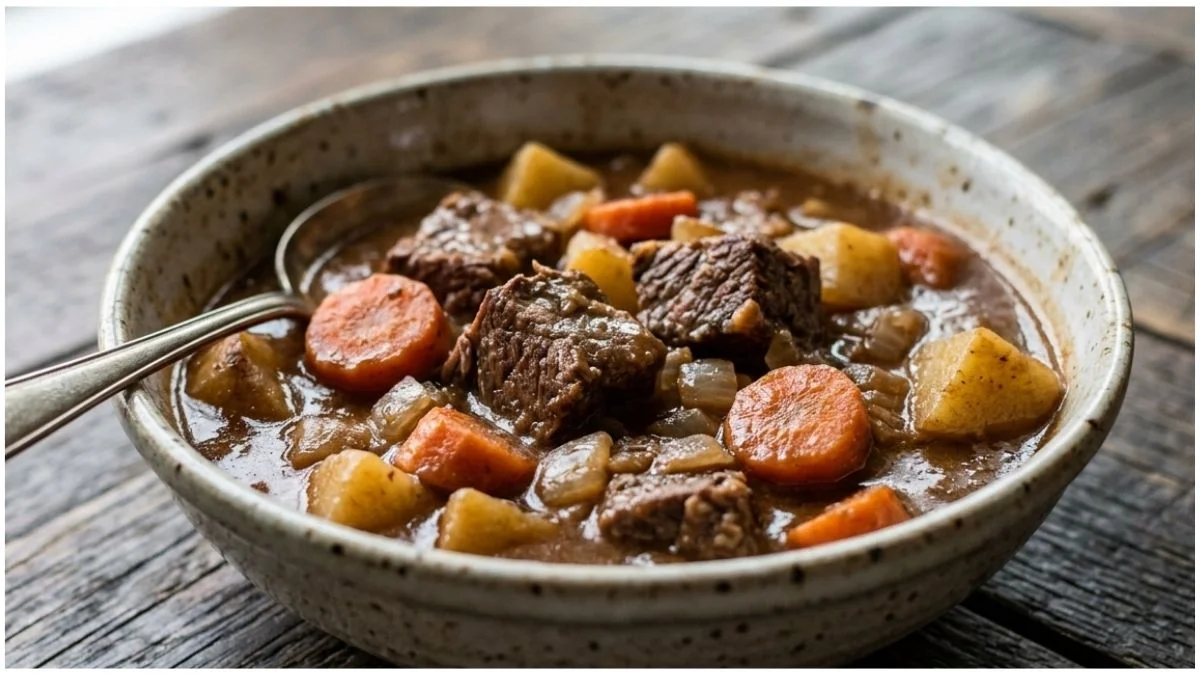

Brenda Gantt Beef Stew Recipe
Ingredients
Equipment
Method
- Early in the morning, cut the sirloin tip roast into long strips, then cross-cut into bite-sized stew cubes, leaving all the fat on. Place the meat in a pot, cover completely with water, season with a baseline of salt and pepper, and bring to a simmer. Cover and cook on medium-low for about 1 hour, until the meat is starting to tenderize and the broth turns deep and rich.
- If your pot is getting crowded, transfer everything to a larger stockpot now. Stir in both cans of petite diced tomatoes along with their juices. Peel the carrots, slice them into even circles, and add them to the pot so they cook uniformly.
- Dice the sweet onion into clean squares and add it to the pot. Turn the heat back up slightly, since the cool vegetables will have dropped the temperature, and bring the stew back to a steady simmer.
- Peel and cube the Russet potatoes while the stew simmers, but hold off on adding them until the carrots have softened slightly -adding them too early can cause them to overcook and break apart. Once added, continue simmering until all the vegetables are fork-tender. Taste the broth and adjust the salt and pepper as needed.
- While the stew finishes, preheat your oven to 400°F. Heavily grease a dedicated cast-iron skillet with shortening or bacon grease. In a bowl, mix the cornmeal, egg, and enough buttermilk to create a smooth, pourable batter. Pour into the hot, greased skillet and bake until golden-brown on top and springy to the touch. Turn it out immediately onto a plate, using a knife underneath to release it cleanly so it doesn’t sweat.
Video
Notes
There’s a reason recipes like this Brenda Gantt beef stew recipe have stuck around for generations -they’re simple, forgiving, and deeply satisfying in a way that fancier dishes rarely match.
Whether you’re making it for a Sunday family dinner or stretching leftovers into a brand-new meal later in the week, this stew rewards patience with pure comfort in every bowl.
Have you tried this recipe, or do you have your own family twist on Southern beef stew? Share your tips, swaps, or photos in the comments below -I’d love to hear how it turned out in your kitchen. And if you enjoyed this recipe, check out more cozy Southern classics and cast-iron favorites elsewhere on the blog.
We’d love to hear what you think of this recipe! Give it a try and let us know how it turned out by leaving a comment below. Don’t forget to follow us on Pinterest, Facebook and YouTube for more delicious recipes, cooking inspiration, and kitchen tips. Your feedback and support help us continue creating content you’ll love!
Looks Delicious
Thanks Will