
The first time I had the Caesar salad at Longhorn Steakhouse, I genuinely paused mid-bite. It wasn’t sharp or watery the way so many restaurant dressings are -it was thick, deeply savory, and had this rich, garlicky backbone that just clung to every leaf of romaine. I went back twice that month just for the salad.
Eventually, I did what any obsessed home cook does: I reverse-engineered it.
After a lot of testing, this copycat Longhorn Steakhouse Caesar salad dressing recipe is the one that finally nailed it. Creamy, lemony, with that subtle anchovy depth that makes a Caesar taste like a Caesar -this dressing is weeknight easy and genuinely restaurant-quality. Keep a jar in the fridge and you’ll be putting it on everything.
What Is Longhorn Steakhouse Caesar Dressing and Why Do Fans Love It?
Caesar dressing, at its core, is an emulsified blend of fat, acid, and umami. But not all Caesars are created equal -and the Longhorn Steakhouse version stands apart in a few key ways.
Most bottled or chain-restaurant Caesar dressings lean thin and tangy, with a sharp vinegar punch that overwhelms everything else. The Longhorn version is noticeably creamier, richer, and more balanced -closer to a classic from-scratch Caesar than anything that comes out of a bottle. It tastes like something made in a real kitchen.
What fans love most is that layered savory depth: the garlic is bold but not harsh, the lemon is bright without being acidic, and there’s a background note -from the anchovy paste and Worcestershire -that you can’t quite name but immediately miss when it’s gone. Compared to something like a bottled Kraft Caesar or even an Olive Garden-style dressing, this one feels more complete. It coats the romaine instead of pooling at the bottom of the bowl, which is exactly what a great Caesar should do.
The Nostalgic History Behind a Great Caesar Salad Dressing
The Caesar salad itself has a surprisingly specific origin. It was created in 1924 by Caesar Cardini, an Italian-American restaurateur working in Tijuana, Mexico, during a busy Fourth of July weekend when his kitchen was running low on supplies. He tossed together what he had -romaine, Parmesan, olive oil, egg, lemon, and Worcestershire -tableside, and a classic was born.
Traditional Caesar dressing was always made fresh, often tableside, using raw egg yolk as the emulsifier that gave it that signature creamy consistency. Over time, food safety concerns led most restaurants to move away from raw egg and toward mayonnaise-based versions -which, when done well, actually produce an even more stable and velvety dressing.
The Longhorn Steakhouse Caesar fits squarely in that evolved tradition. It honors the original’s bold flavors -garlic, lemon, anchovy, Parmesan -while using a modern, mayo-based base that any home cook can replicate safely and confidently. It’s not trying to be old-fashioned. It’s just trying to be the best version of what a Caesar dressing can be.
Key Ingredients That Give This Caesar Dressing Its Signature Flavor
What separates a great Caesar dressing from a forgettable one is almost always the quality and combination of its core ingredients. Here’s what’s doing the heavy lifting in this Longhorn-style recipe:
Mayonnaise is the creamy backbone of this dressing. Homemade mayo produces a richer, more luxurious result, but a quality store-bought version like Duke’s or Hellmann’s works beautifully.
Fresh garlic delivers the assertive, sharp bite that defines a good Caesar. Don’t use garlic powder here -the fresh cloves processed into the blend give a completely different (and far superior) depth.
Lemon zest and juice provide two distinct layers of citrus flavor. The zest is aromatic and floral; the juice is bright and acidic. Together they lift the whole dressing.
Dijon mustard helps the emulsification process and adds a quiet, peppery sharpness that keeps the richness from feeling heavy.
Anchovy paste is the ingredient people are most hesitant about -and the one you absolutely cannot skip. It doesn’t make the dressing taste fishy. It makes it taste deep, savory, and unmistakably Caesar.
Worcestershire sauce compounds that umami backbone, adding a subtle sweetness and complexity.
Parmesan cheese is folded in at the end, adding salt, nuttiness, and body.
Olive oil, streamed in slowly, is what pulls the whole emulsion together into that silky, pourable texture.
Longhorn Caesar Dressing Recipe Ingredients
Here is the complete ingredient list. Exact quantities are designed to fill a standard jar (enough for 4–6 generous salad servings):
| Ingredient | Quantity | Notes |
|---|---|---|
| Mayonnaise | ½ cup | Homemade preferred; Duke’s or Hellmann’s are great store-bought options |
| Garlic cloves | 2–3 cloves | Use fresh, not pre-minced |
| Lemon zest | 1 teaspoon | From about half a lemon |
| Fresh lemon juice | 2 tablespoons | Always fresh-squeezed, not bottled |
| Dijon mustard | 1 teaspoon | Adds emulsification and gentle heat |
| Anchovy paste | 1 teaspoon | Found near canned fish in most grocery stores |
| Worcestershire sauce | 1 teaspoon | Adds savory depth; use gluten-free variety if needed |
| Finely grated Parmesan | ¼ cup | Use real Parmigiano-Reggiano for best flavor |
| Olive oil | 2 tablespoons | Extra-virgin, drizzled in slowly |
| Salt and black pepper | To taste | Add at the very end after tasting |
Substitutions:
- No anchovy paste? Use 1–2 finely mashed anchovy fillets, or a small splash of fish sauce as a last resort.
- Dairy-free? Use a vegan Parmesan alternative and check your mayo label.
- Gluten-free? Worcestershire sauce often contains malt vinegar -swap for a certified GF version like Lea & Perrins (which is GF in the US).
Tools You Need to Make This Caesar Dressing at Home
This recipe is intentionally simple to put together. Here’s what you’ll need:
- Food processor or blender -essential for emulsifying and getting that smooth, creamy texture
- Citrus zester or microplane -for getting clean, fine lemon zest
- Citrus juicer -a handheld one works perfectly
- Measuring spoons and cups
- Rubber spatula -to scrape down the sides of the blender
- Glass jar or airtight container -for storing the finished dressing
Preparation time: 10 minutes Blending/cooking time: 5 minutes Total time: 15 minutes Yield: Approximately ¾ cup (4–6 servings)
Steps to Make This Longhorn-Style Caesar Salad Dressing
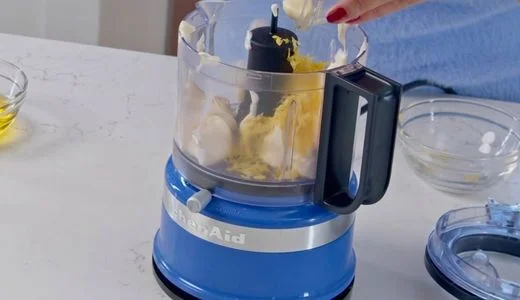
1. Combine the base ingredients
Add the mayonnaise, garlic cloves, lemon zest, lemon juice, Dijon mustard, anchovy paste, and Worcestershire sauce to the bowl of a food processor or blender.
2. Blend until smooth
Puree the mixture on medium-high speed for about 30–45 seconds, until everything is fully incorporated and beginning to look creamy and uniform.
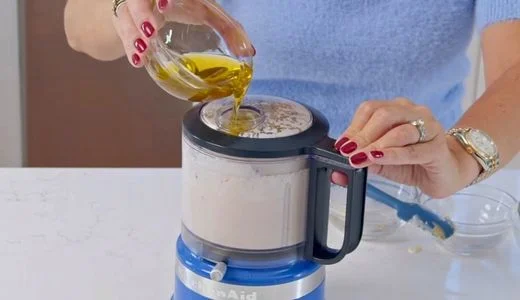
3. Stream in the olive oil
With the food processor running, slowly pour in the olive oil in a thin, steady stream. This gradual addition is what creates a properly emulsified, silky dressing rather than a separated or greasy one. Blend until fully smooth.
4. Add the Parmesan
Add the grated Parmesan cheese and pulse 3–4 times to incorporate. Don’t over-blend at this stage -you want the cheese to add texture and body without becoming grainy.
5. Taste and season
This is the critical step. Taste the dressing before adding any salt -the anchovy paste and Parmesan are both naturally salty, and the dressing often needs very little (or no) added salt. Adjust with black pepper generously, and add salt only if genuinely needed.
6. Store or serve
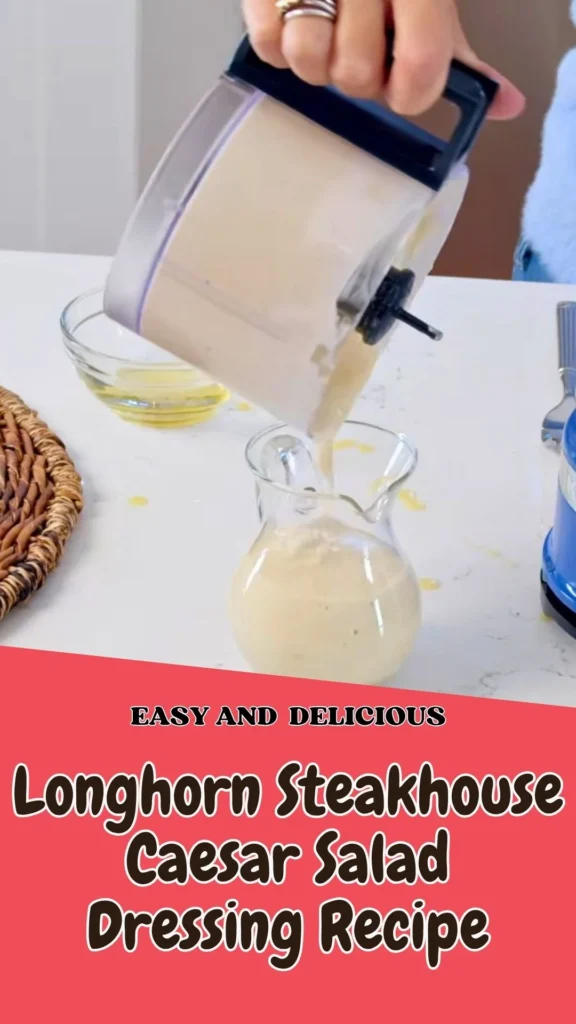
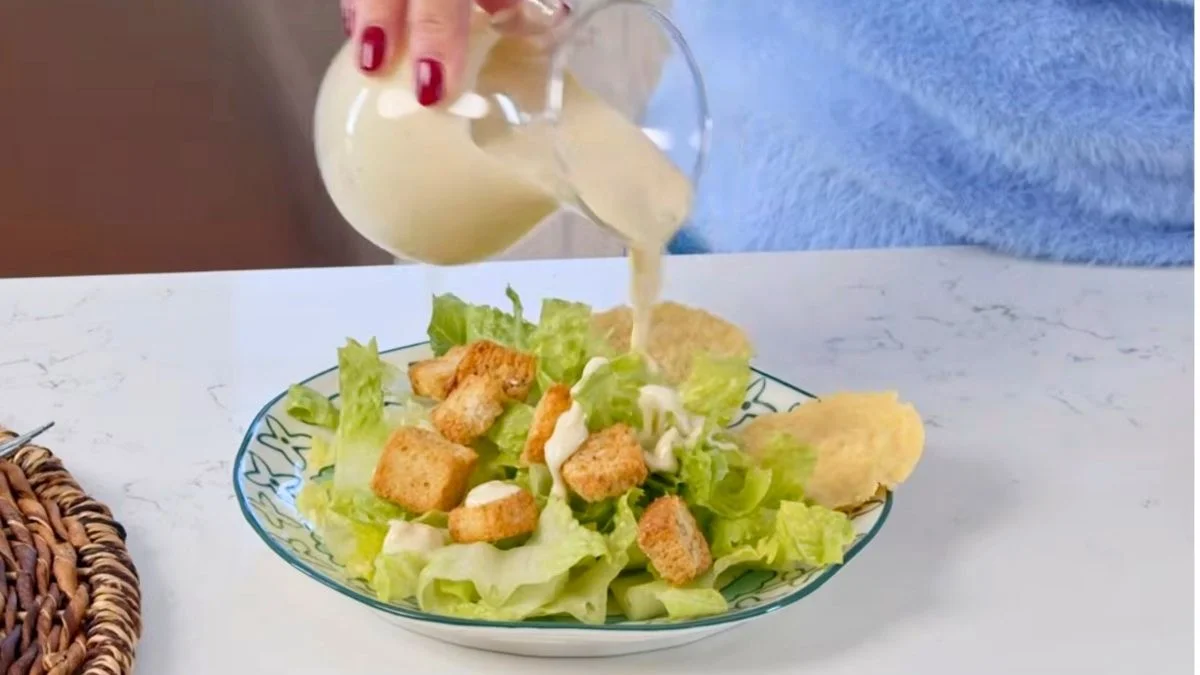
Transfer the dressing to a glass jar or pitcher. Drizzle generously over chopped or whole romaine lettuce, toss well, and serve immediately.
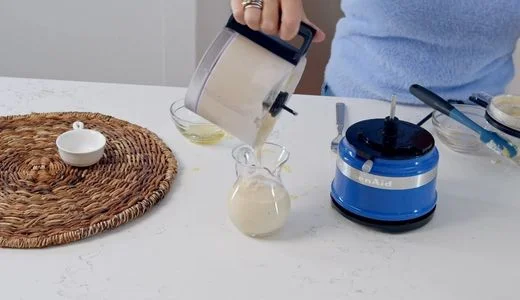
For the best flavor, refrigerate for at least 30 minutes before serving to let the flavors fully meld.
Pro Tips for Getting the Caesar Dressing Flavor Just Right
1. Don’t skip the anchovy paste
This is the most common mistake home cooks make. If you’re hesitant because you don’t like anchovies, understand that the paste doesn’t create a fishy flavor in the finished dressing -it creates savory depth that you’d immediately notice the absence of. Trust the process.
2. Always zest before you juice
It sounds small, but trying to zest a lemon you’ve already squeezed is awkward and you’ll miss a lot of the oils. Zest first, then cut and juice.
3. Stream the oil slowly
If you dump the olive oil in all at once, the dressing will break -you’ll get separation instead of a smooth emulsion. Keep the processor running and add the oil in a thin, steady drizzle over 20–30 seconds.
4. Use real Parmesan
Pre-shredded Parmesan in a bag contains cellulose and anti-caking agents that can make the dressing grainy. Buy a block of Parmigiano-Reggiano and grate it fresh.
5. Let it rest before serving
Freshly made dressing is good. Dressing that has sat in the refrigerator for 30 minutes to an hour is noticeably better -the garlic mellows, the lemon settles, and everything becomes more cohesive.
6. Taste at the end, not the beginning
Between the anchovy paste, Worcestershire, and Parmesan, this dressing has significant salt already built in. Season last, and with a light hand.
7. Adjust acidity to taste
If the dressing tastes flat, add a small squeeze more of lemon juice. If it’s too sharp, a pinch of sugar or a small extra spoon of mayo will balance it out.
Easy Variations to Customize This Caesar Dressing
Once you’ve mastered the base recipe, this dressing is easy to personalize:
Extra garlicky version: Add a fourth garlic clove, or roast the garlic first for a sweeter, more mellow depth without the raw bite.

Spicy Caesar: Add a pinch of cayenne pepper or a few dashes of hot sauce to the blender for a dressing with gentle heat that works especially well on grilled romaine.
Lighter version: Substitute half the mayonnaise with plain Greek yogurt. You’ll get a tangier, protein-rich dressing with a lighter calorie count and almost the same creaminess.
Vegan Caesar: Use vegan mayo, substitute the anchovy paste with a teaspoon of capers (blended in) or a small amount of miso paste for umami, and use a vegan Parmesan alternative.
Herb Caesar: Blend in a small handful of fresh flat-leaf parsley or basil for a greener, brighter variation that pairs beautifully with grilled chicken salads.
Best Ways to Use This Longhorn Caesar Dressing in Your Meals
The obvious use is a classic Caesar salad -and this dressing delivers on that front completely. Toss it with chopped hearts of romaine, homemade or store-bought croutons, and an extra shower of shaved Parmesan. That’s all you need.
But this dressing is genuinely versatile, and keeping a jar in the fridge opens up a lot of weeknight possibilities:
As a grilled chicken marinade. Coat chicken breasts or thighs in 2–3 tablespoons of this Caesar dressing before grilling or baking. The mayo base keeps the meat incredibly moist, and the garlic and lemon permeate the meat beautifully.
As a sandwich spread. Use it in place of mayo on a grilled chicken sandwich, a turkey club, or a BLT. It upgrades the whole sandwich immediately.
As a wrap sauce. Drizzle it inside a grilled chicken Caesar wrap alongside romaine, Parmesan, and croutons for a lunch that tastes like something you’d pay $14 for at a café.
As a pizza base. Spread a thin layer over pizza dough instead of red sauce, then top with shredded chicken, mozzarella, and finish with fresh arugula and Parmesan after baking. Caesar pizza is underrated.
As a dip. Serve it alongside raw vegetables -celery, cucumber, carrots, bell pepper strips -or with warm pita for an elevated appetizer platter.
As a grain bowl dressing. Drizzle it over farro, quinoa, or brown rice bowls topped with roasted vegetables and a soft-boiled egg for a satisfying, flavor-packed meal.
As a potato salad dressing. Swap your usual mayo-mustard mix for this Caesar dressing tossed with warm baby potatoes, crispy bacon, and fresh chives. It’s a revelation.
However you use it, make a double batch. You’ll run out faster than you think.

If you’re looking for another restaurant favorite to serve with fresh salads and hearty meals, try our Applebee’s Ranch Recipe. Its creamy, tangy flavor makes it a versatile homemade dressing that pairs well with everything from crisp greens to chicken, vegetables, and sandwiches, giving you another easy way to upgrade everyday meals.
How to Store This Caesar Dressing and Keep It Fresh
Refrigerator: Store the finished dressing in a sealed glass jar or airtight container in the refrigerator for up to 5–7 days. The flavors actually improve after the first day as everything melds together.
Do not freeze: The mayonnaise base will separate and break upon thawing, ruining the emulsion and the texture entirely. This dressing is not freezer-friendly.
Reheating: This is a cold dressing and does not need to be reheated. If it thickens up in the fridge (which it often does), simply let it sit at room temperature for 5–10 minutes and give it a good stir or a quick shake before drizzling.
Signs it’s turned: Discard the dressing if it develops an off smell, visible mold, or a watery separated layer that doesn’t re-incorporate with stirring.
Nutrition Facts and Dietary Notes for This Caesar Dressing
Estimated nutrition per 2-tablespoon serving (based on standard quantities):
| Nutrient | Approximate Amount |
|---|---|
| Calories | ~120–140 kcal |
| Total Fat | 13g |
| Saturated Fat | 2g |
| Sodium | 220mg |
| Carbohydrates | 1g |
| Protein | 2g |
Note: Values vary based on specific brands and quantities used.
Dietary notes:
- Keto/Low-carb: Naturally keto-friendly -high fat, very low carb, no added sugar.
- Gluten-free: Use a certified GF Worcestershire sauce and verify your mayo label.
- Dairy-free/Vegan: Use vegan mayo and a plant-based Parmesan substitute; replace anchovy paste with capers or miso.
- Nut-free: Contains no nuts in its base form.
Health note: This dressing contains olive oil (a heart-healthy monounsaturated fat) and Parmesan (a good source of calcium and protein). Anchovy paste contributes a small amount of omega-3 fatty acids.
Make This Longhorn Caesar Dressing Tonight
If you’ve been hunting for a restaurant-quality Caesar dressing you can actually make at home in 15 minutes, this is the one. It’s creamy where it needs to be, bold where it counts, and flexible enough to work well beyond a salad bowl.
Longhorn Steakhouse Caesar Salad Dressing Recipe
Ingredients
Method
- Add the mayonnaise, garlic cloves, lemon zest, lemon juice, Dijon mustard, anchovy paste, and Worcestershire sauce to the bowl of a food processor or blender.
- Puree the mixture on medium-high speed for about 30–45 seconds, until everything is fully incorporated and beginning to look creamy and uniform.
- With the food processor running, slowly pour in the olive oil in a thin, steady stream. This gradual addition is what creates a properly emulsified, silky dressing rather than a separated or greasy one. Blend until fully smooth.
- Add the grated Parmesan cheese and pulse 3–4 times to incorporate. Don’t over-blend at this stage -you want the cheese to add texture and body without becoming grainy.
- This is the critical step. Taste the dressing before adding any salt -the anchovy paste and Parmesan are both naturally salty, and the dressing often needs very little (or no) added salt. Adjust with black pepper generously, and add salt only if genuinely needed.
- Transfer the dressing to a glass jar or pitcher. Drizzle generously over chopped or whole romaine lettuce, toss well, and serve immediately. For the best flavor, refrigerate for at least 30 minutes before serving to let the flavors fully meld.
Video
Notes
Give it a try this week, and when you do – leave a comment below and let me know how it turned out. Did you add extra garlic? Try the spicy variation? I’d love to hear.
We’d love to hear what you think of this recipe! Give it a try and let us know how it turned out by leaving a comment below. Don’t forget to follow us on Pinterest, Facebook and YouTube for more delicious recipes, cooking inspiration, and kitchen tips. Your feedback and support help us continue creating content you’ll love!